Tube Sponges in Mauritius: Living Architecture of the Reef
Among the most visually captivating organisms inhabiting Mauritius's coral reefs, tube sponges of the genus Callyspongia stand out as true icons of the underwater world. These remarkable invertebrates — neither plant nor coral, but members of the ancient phylum Porifera — have been filtering the world's oceans for over 600 million years, predating even the dinosaurs. In Mauritius, they are a common and celebrated sight for divers and snorkelers exploring the island's pristine lagoons and outer reef slopes.
Identification and Appearance
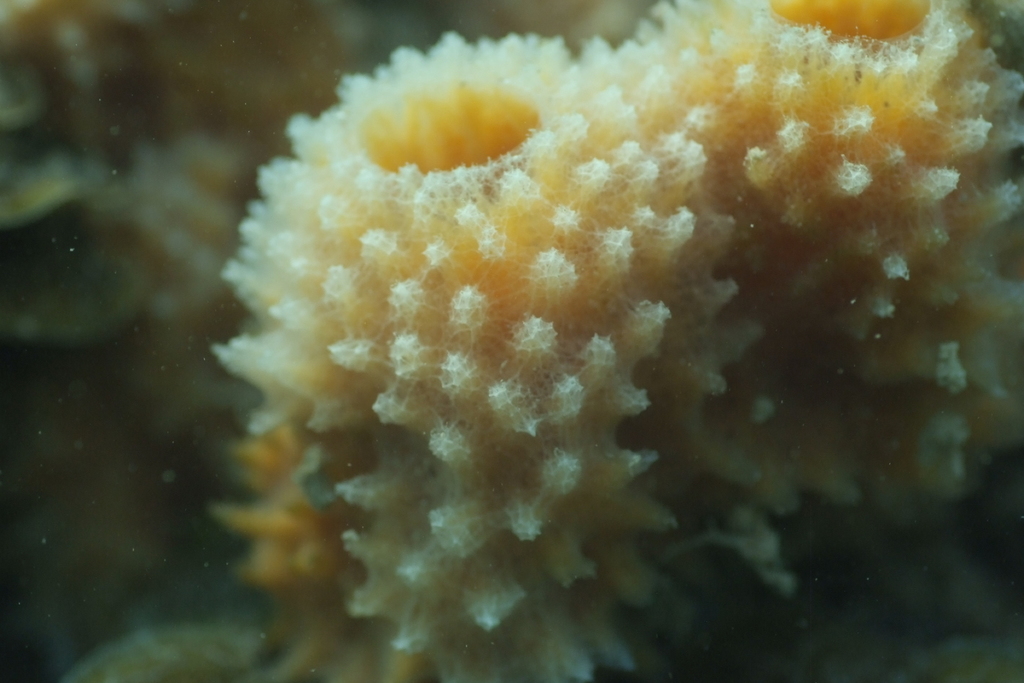
Callyspongia spp. are immediately recognizable by their distinctive tubular or vase-like growth forms. In Mauritian waters, you'll typically encounter clusters of elongated cylinders ranging from 10 centimetres to well over a metre in height. Their surfaces are textured with fine pores — the ostia through which water is drawn in — and topped with a wide osculum (opening) through which filtered water is expelled. Colours vary dramatically between species and individuals, spanning electric purple, cobalt blue, vivid orange, creamy white, and olive green. This chromatic diversity makes them one of the most photogenic subjects for underwater photographers visiting Mauritius.
Biology and Ecological Role
Sponges may appear passive, but they are powerhouse ecosystem engineers. A single large tube sponge can filter thousands of litres of seawater every day, removing bacteria, particulate organic matter, and dissolved nutrients. This biological filtration plays a critical role in maintaining water clarity and reef health across Mauritius's lagoon systems. Callyspongia sponges also provide structural complexity on the reef — their hollow tubes serve as shelters for juvenile fish, shrimp, brittle stars, and small crustaceans. Hawksbill turtles, occasionally spotted at Mauritian dive sites, are known to graze on sponges as part of their diet. Nudibranchs frequently lay their egg masses on sponge surfaces, making tube sponges a hotspot for macro photography.
Where to Find Tube Sponges in Mauritius
Tube sponges thrive across a range of depths in Mauritius, from shallow lagoon walls at 5 metres down to deeper outer reef slopes reaching 30 metres or beyond. They particularly favour areas with moderate current flow, which delivers a constant supply of plankton and organic particles. The southern and western coasts of Mauritius host some of the island's richest sponge communities, with sites around Flic en Flac, Blue Bay Marine Park, and the northern reefs of Coin de Mire offering exceptional encounters. Deeper walls and drop-offs tend to support the largest and most colourful specimens, rewarding divers who venture below 15 metres.
Diving with Tube Sponges
When diving among Callyspongia sponges, responsible interaction is essential. Despite their robust appearance, sponge tissue is extremely fragile — even light contact from fins or hands can damage the delicate pore structure and introduce harmful bacteria. Maintaining excellent buoyancy control and keeping a respectful distance ensures these ancient organisms continue to thrive for future divers. For underwater photographers, a wide-angle lens captures the dramatic clusters beautifully, while a macro lens reveals the tiny animals — gobies, cleaner shrimp, and polychaete worms — that call the sponge home. Early morning dives often offer the best visibility and most vibrant colours as sunlight filters through the water column.
Conservation and Status
In Mauritius, tube sponges currently enjoy a stable population status and are considered common across healthy reef zones. However, they are sensitive indicators of water quality — sedimentation, agricultural runoff, and bleaching events can smother or stress sponge communities. The Blue Bay Marine Park, a Ramsar-listed wetland of international importance, offers legal protection for the reef ecosystem, indirectly safeguarding sponge populations. Supporting responsible dive operators and reef conservation initiatives in Mauritius helps ensure these extraordinary living structures remain a defining feature of the island's underwater heritage for generations to come.