Humpback Whales in Mauritius: An Unforgettable Marine Encounter
Among all the remarkable marine creatures that grace the waters of Mauritius, few inspire as much awe as the humpback whale (Megaptera novaeangliae), known locally as the baleine à bosse. These magnificent cetaceans pass through Mauritian waters on their annual migratory journey, offering fortunate visitors and locals the chance to witness some of the most dramatic wildlife behaviour on the planet.
Identifying the Humpback Whale
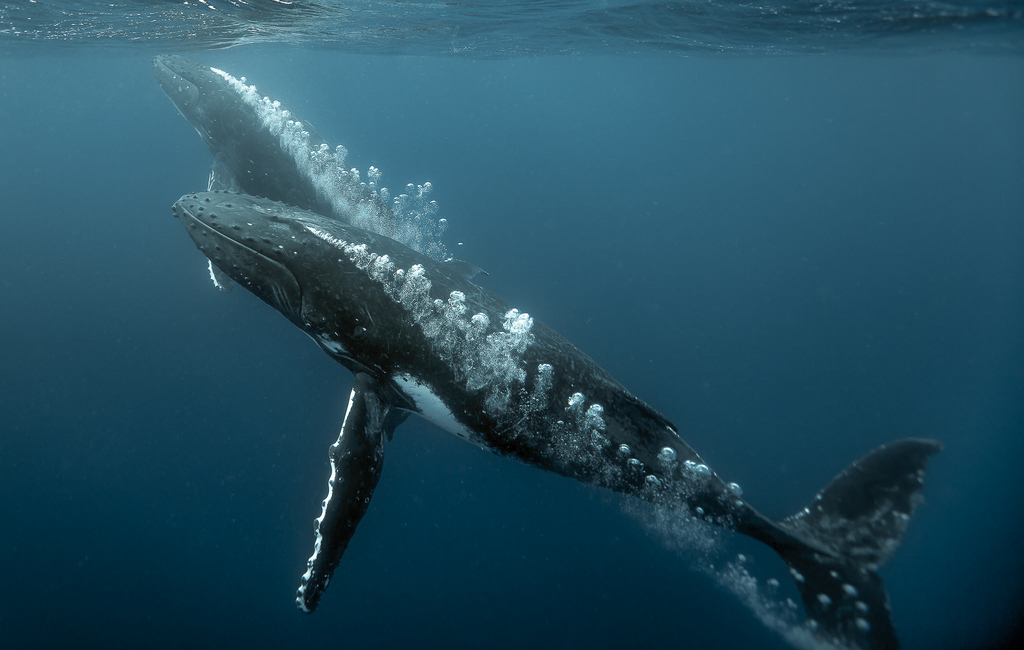
Humpback whales are unmistakable once you know what to look for. Adults typically measure between 12 and 16 metres in length and can weigh up to 36,000 kilograms. Their most distinctive features include extraordinarily long pectoral fins — the longest of any whale species — which can reach up to a third of their total body length. The underside of their flukes (tail fins) displays unique black-and-white pigmentation patterns, much like a fingerprint, which researchers use to identify individual animals.
The name
FAQ
When is the best time to see humpback whales in Mauritius?
The best time to see humpback whales in Mauritius is between June and October, with the peak months being July, August, and September. During this period, whales migrate northward from Antarctic feeding grounds toward warmer tropical waters to breed and give birth.
Can you swim or snorkel with humpback whales in Mauritius?
In-water encounters with humpback whales are subject to strict regulations in Mauritius to ensure both human safety and whale welfare. Some licensed operators offer supervised swimming or snorkelling experiences in the presence of whales, but these must be conducted responsibly, maintaining a respectful distance and never chasing or harassing the animals.
Are humpback whale sightings guaranteed in Mauritius?
While humpback whale sightings in Mauritius are relatively reliable during the peak season from July to September, they are never guaranteed as these are wild animals following natural migration patterns. Reputable whale-watching operators have experienced spotters and use respectful observation techniques to maximise your chances of an encounter.