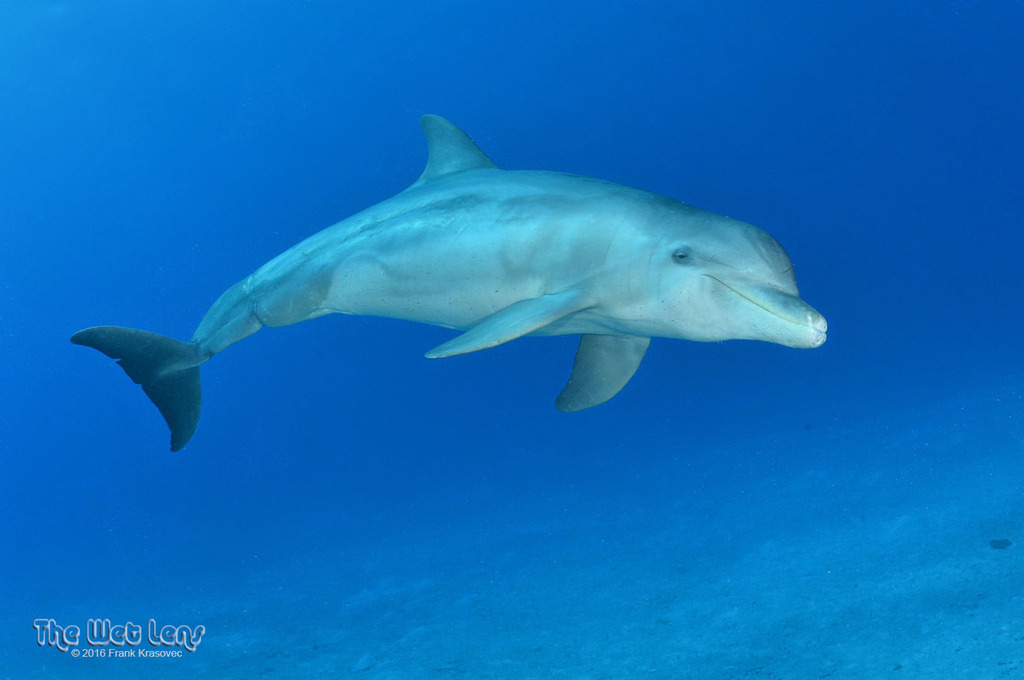
Bottlenose Dolphin (Grand Dauphin) in Mauritius
The bottlenose dolphin (Tursiops truncatus), or Grand dauphin in French, is one of the most charismatic and commonly sighted marine mammals in Mauritian waters. Recognisable by their robust grey bodies, short rounded snouts, and permanently upturned mouths that give them their famous 'smile', bottlenose dolphins are a fixture of the island's western coastline, drawing wildlife lovers from across the globe.
Physical Characteristics
Adult bottlenose dolphins in the Indian Ocean typically measure between 2 and 3.8 metres in length and can weigh up to 300 kilograms. Their streamlined bodies are dark grey on the dorsal side and pale grey to white on the belly, a colouration pattern known as countershading that provides camouflage in the open water. Their distinctive short, stubby beak and large dorsal fin make them easy to identify at sea. Highly vocal animals, they communicate through a complex system of clicks, whistles, and body language.
Behaviour and Social Structure
Bottlenose dolphins are intensely social creatures, typically travelling in groups called pods of 10 to 30 individuals, though larger aggregations are regularly observed around Mauritius. They are known for their remarkable intelligence, playful acrobatics, and cooperative hunting strategies. In Mauritius, pods frequently ride the bow waves of boats and leap clear of the water at speed — a behaviour called breaching — that delights observers. These dolphins use echolocation to hunt, emitting high-frequency sound pulses that bounce off fish and squid, allowing them to detect prey even in murky conditions.
Where to See Bottlenose Dolphins in Mauritius
The west coast of Mauritius is the undisputed hotspot for bottlenose dolphin encounters. Tamarin Bay is perhaps the most famous location on the island, where resident pods gather in the sheltered waters almost every morning before heading offshore to feed during the day. The calm bay provides an ideal nursery environment, and mother-calf pairs are often seen here. Further south, Le Morne Lagoon and the waters around Rivière Noire (Black River) are also reliable sighting areas. Boat tours departing from Baie du Cap and Grande Rivière Noire regularly encounter these dolphins during early morning excursions.
Swimming with Dolphins in Mauritius
Mauritius is one of the few places in the world where tourists can legally swim with wild dolphins, and this activity draws significant visitor interest. However, it comes with important responsibilities. The Mauritius government and marine conservation groups urge operators and visitors alike to follow strict guidelines: maintain a respectful distance, avoid chasing or surrounding pods, never touch the animals, and limit in-water time to avoid disrupting natural behaviours such as feeding and resting. Choosing licensed, eco-conscious operators who adhere to these principles is essential for the long-term wellbeing of these dolphin communities.
Diet and Ecology
Bottlenose dolphins in Mauritius feed primarily on reef fish, squid, and octopus. They play a vital role in maintaining the ecological balance of the marine ecosystem, acting as apex predators that regulate prey populations. Their presence is often a reliable indicator of a healthy, productive marine environment.
Conservation Status and Threats
While the bottlenose dolphin is listed as Least Concern on the IUCN Red List globally, local populations face pressures that demand vigilance. In Mauritius, the primary threats include boat disturbance from the growing dolphin-watching tourism industry, entanglement in fishing gear, marine pollution, and habitat degradation from coastal development. Conservation organisations such as Reef Conservation Mauritius actively monitor dolphin pod health, population dynamics, and the cumulative impact of tourism on resident communities. Supporting responsible operators and reducing single-use plastic use are simple but meaningful ways visitors can contribute to their protection.
Tips for Responsible Dolphin Watching
- Choose operators certified by the Mauritius Wildlife Foundation or similar bodies.
- Never enter the water if dolphins appear to be resting or caring for calves.
- Avoid loud noise and sudden movements near pods.
- Do not feed dolphins under any circumstances.
- Photograph rather than touch — memories last longer than a moment of contact.
The bottlenose dolphin is more than a tourist attraction in Mauritius — it is a sentinel of ocean health and a treasured part of the island's natural heritage. Treat every encounter with the respect and wonder it deserves.