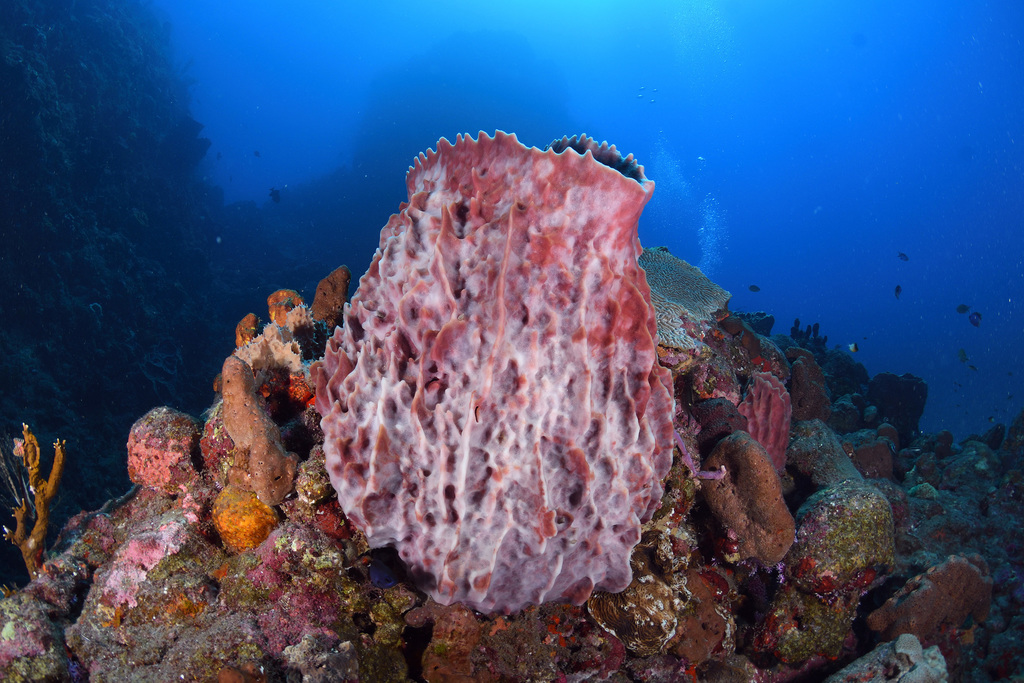
Barrel Sponge in Mauritius: The Giant of the Reef
The barrel sponge, scientifically classified under the genus Xestospongia, is one of the largest and most structurally impressive invertebrates found on coral reefs throughout the Indo-Pacific, including the warm, clear waters surrounding Mauritius. Often referred to as the 'redwood of the reef', these extraordinary animals — yes, sponges are animals — can reach diameters of over one metre and heights exceeding 1.5 metres, with some specimens estimated to be hundreds of years old.
What Are Barrel Sponges?
Barrel sponges belong to the class Demospongiae and are characterised by their distinctive cylindrical, vase-like shape with a wide, hollow opening at the top called the osculum. Their outer surface is typically rough and ridged, ranging in colour from deep purple and maroon to brown, grey, and occasionally pinkish hues depending on the local environment and depth. In Mauritius, the most commonly encountered species include Xestospongia testudinaria and closely related forms, all thriving in the nutrient-rich waters along the island's fringing reefs and outer slopes.
Despite their plant-like appearance, barrel sponges are highly efficient filter feeders. They continuously pump thousands of litres of seawater through their porous body walls each day, extracting microscopic bacteria, phytoplankton, and dissolved organic matter. This biological filtration plays a critical role in maintaining water clarity and nutrient cycling on Mauritian reefs.
Ecological Role on Mauritian Reefs
Beyond their impressive size, barrel sponges serve as vital microhabitats within Mauritius's coral reef ecosystems. Their hollow interiors and rough outer surfaces provide shelter for a variety of small reef fish, brittle stars, shrimps, and nudibranchs. Hawksbill turtles, frequently spotted in Mauritian waters, are known to feed on sponges, making these structures an important food source as well. Encrusting algae and tunicates often colonise ageing sponge surfaces, creating layered mini-ecosystems that add to reef biodiversity.
Where to See Barrel Sponges in Mauritius
Barrel sponges are considered common throughout Mauritius and can be encountered at numerous dive sites around the island. They tend to favour reef slopes and walls between 10 and 40 metres depth, where water flow is consistent and nutrients are plentiful. Some of the best dive sites for observing large, mature specimens include the reefs off the west coast around Flic en Flac, the dramatic walls of the north, and the marine park zones of Blue Bay in the south-east.
Diving with Barrel Sponges
Diving alongside barrel sponges in Mauritius is a truly humbling experience. When approaching these giants, divers are encouraged to maintain good buoyancy control and avoid touching or resting on the sponge's rim — despite their robust appearance, sponges are fragile and extremely slow-growing, with damage taking decades to repair. An adult barrel sponge you photograph today may have begun its life before the founding of modern Mauritius as we know it.
Underwater photographers will find barrel sponges endlessly rewarding subjects. The interplay of light filtering through the open osculum, combined with the rich textures of the outer walls and the small creatures sheltering within, creates striking compositional opportunities. Using a wide-angle lens to capture both the sponge and surrounding reef in a single frame is a popular technique among dive photographers visiting the island.
Conservation and Threats
While barrel sponges are currently listed as a species of Least Concern, they face significant long-term threats from rising sea temperatures associated with climate change. Thermal bleaching events can cause sponges to expel their symbiotic microorganisms, leading to tissue death. In Mauritius, sedimentation from coastal development and anchor damage from boats also pose localised threats. Supporting responsible dive operators and respecting marine park regulations remains essential for the long-term preservation of these reef giants.
Visiting divers can contribute positively by choosing eco-certified dive centres, participating in reef monitoring programmes, and reporting sponge bleaching events to local marine conservation bodies such as the Mauritius Marine Conservation Society.